
Why Fitness Communities Are Built Through Events
Why Fitness Communities Are Built Through Events
(A one-month post-WOD run experiment)
Working out is, at its core, an individual activity.
But over time, many of us realize that what keeps us going is not the workout itself — it’s the people.
Recently, I ran a small experiment for a month.
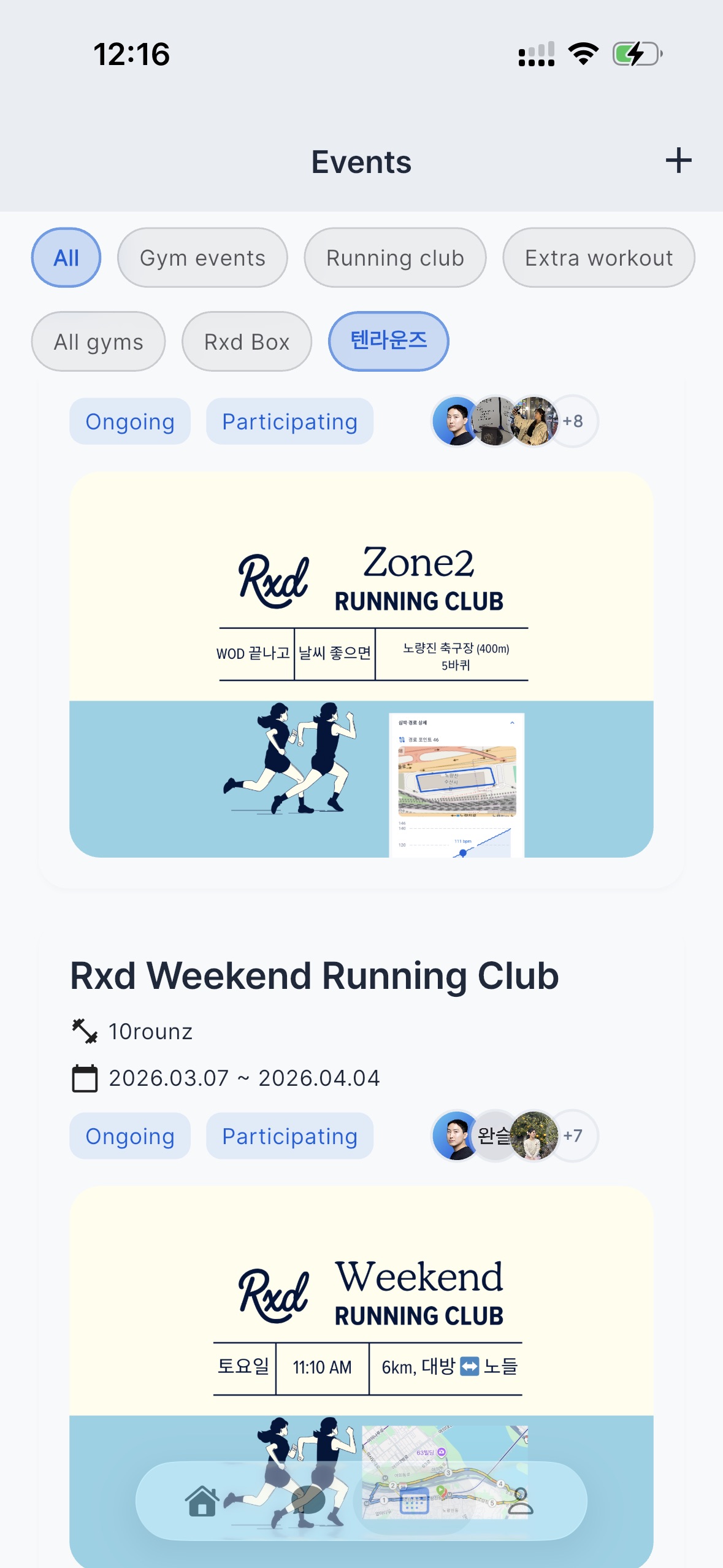
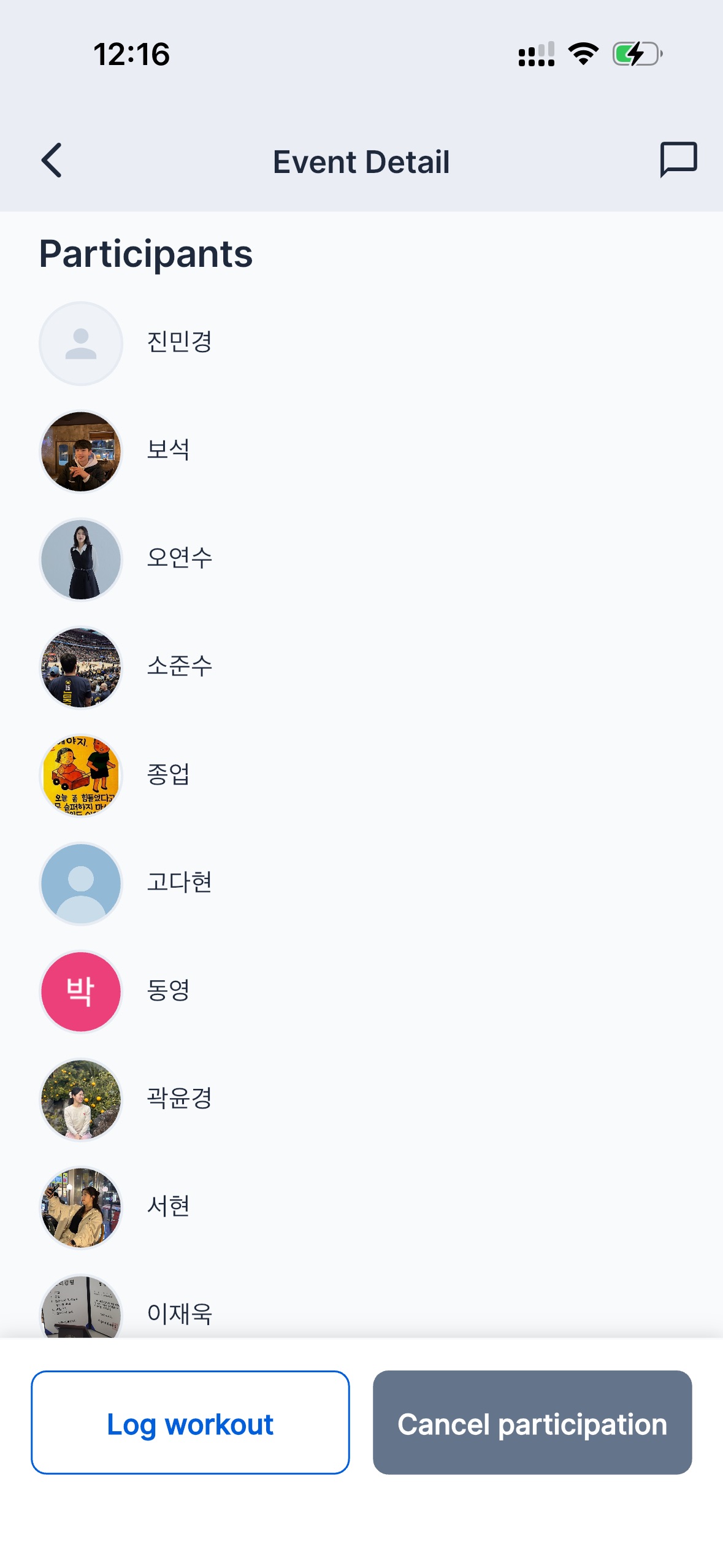
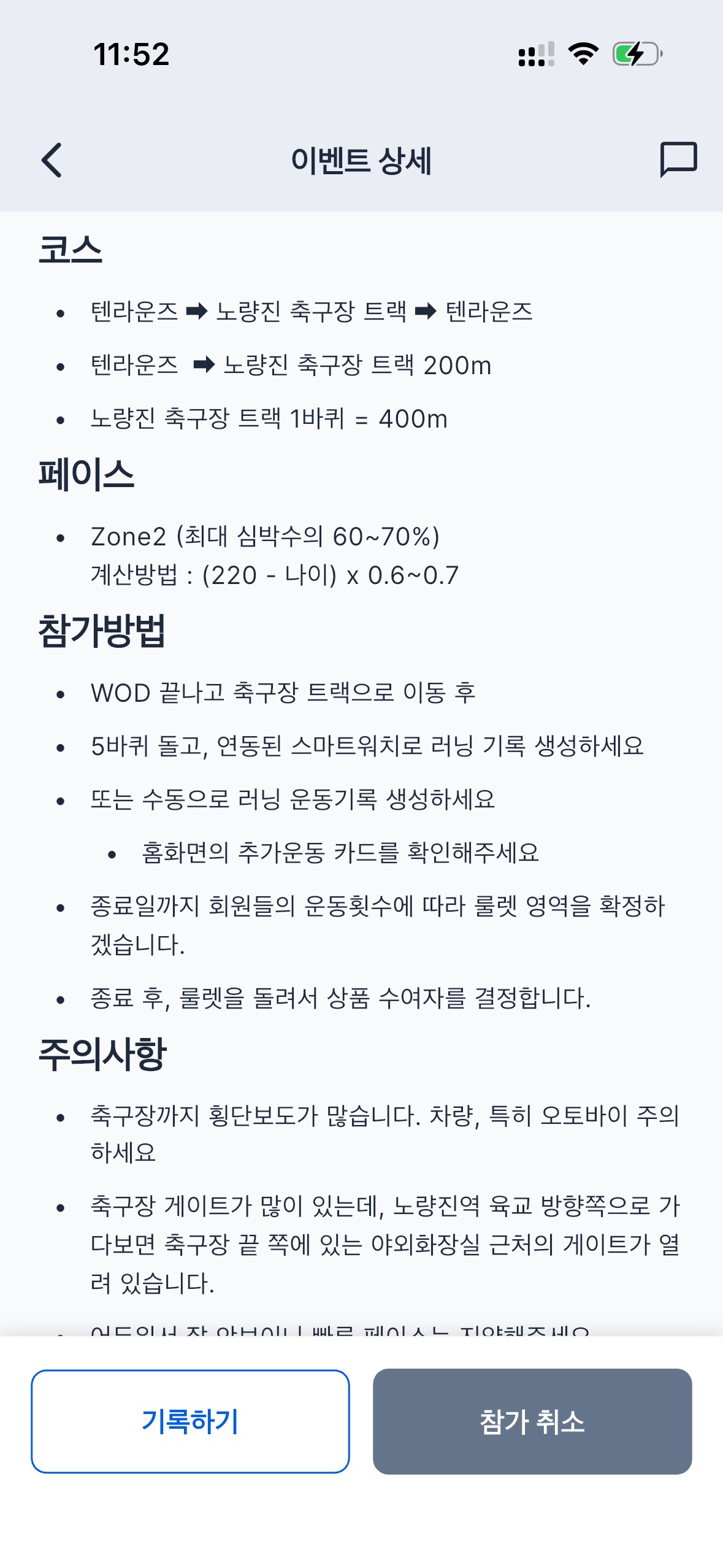
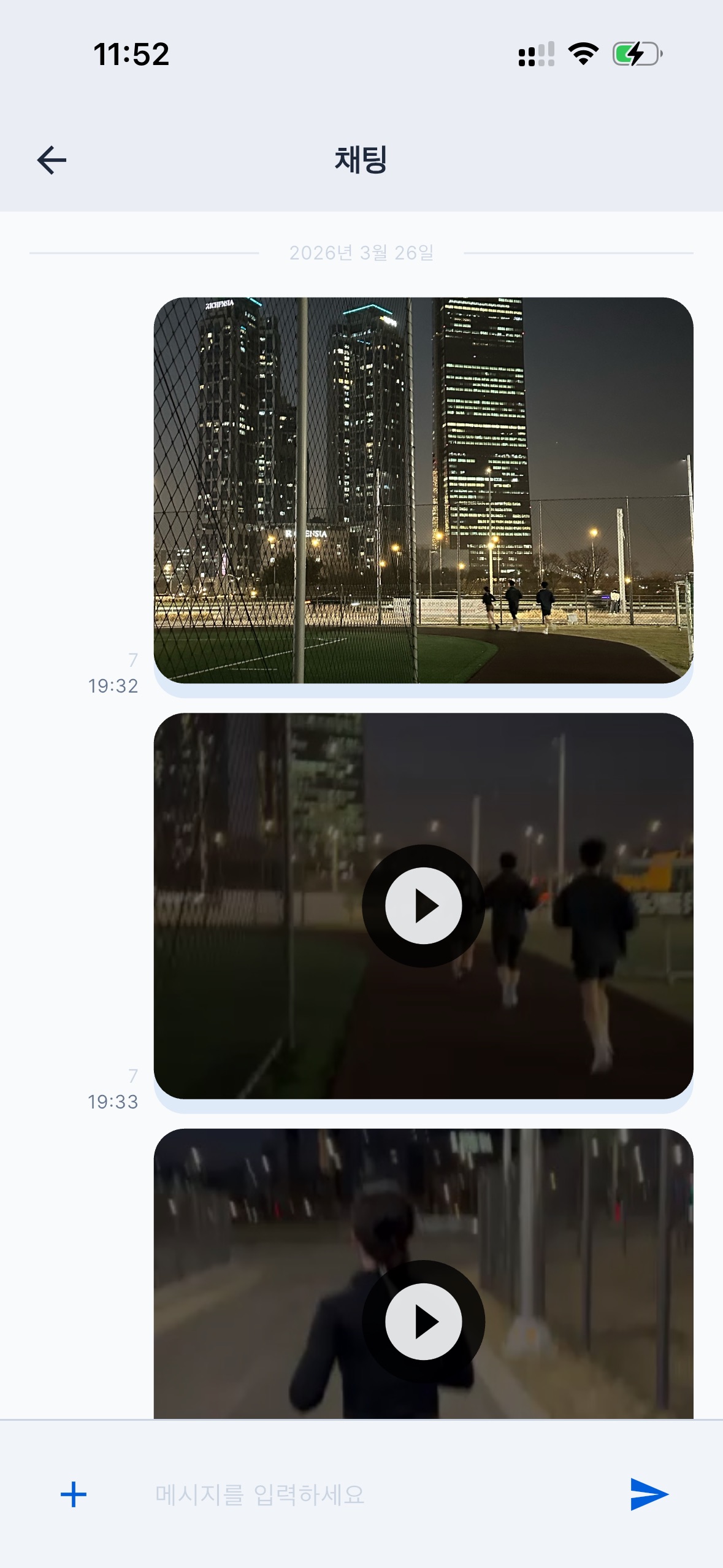
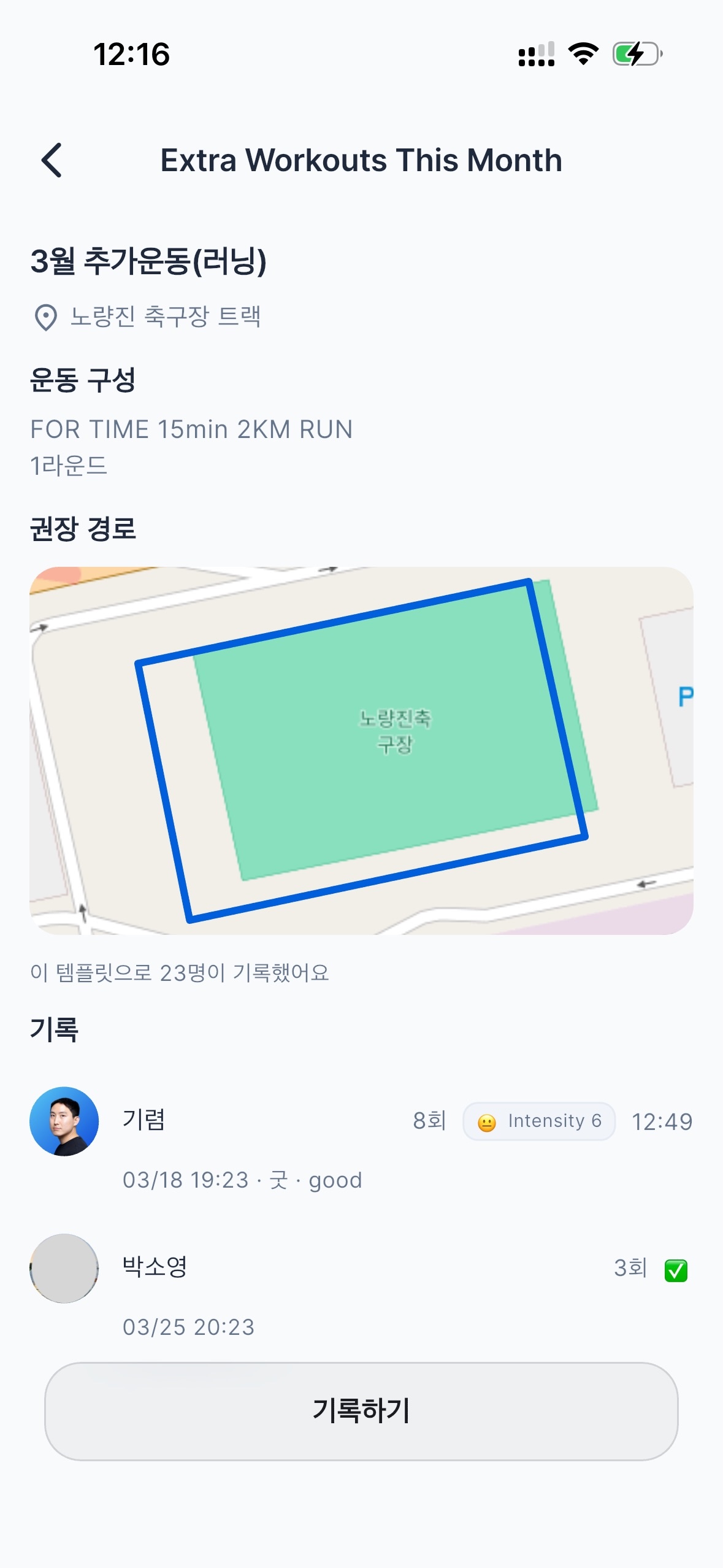
After each WOD, we gathered at a nearby soccer field and did a 20-minute group run. Scheduling and details went out through the box group chat and Rxd Today event posts. The idea was simple: a fixed, visible event makes it easier—even for members who rarely chat in class—to show up once.
Here’s the simple outcome:
Out of around 30 regular weekly members,
about 10 people participated at least once.
That’s roughly a 30% participation rate.
Higher than expected.
From an operations perspective, that number doesn’t map neatly to revenue—but when someone is deciding whether to renew, it matters whether they’ve spent time with the same people outside the box, too. (It lines up with what we saw in the buddy challenge: non-routine touchpoints can change what people do next.)
But the real insight wasn’t in the numbers —
it was in what changed between people.
1. There’s No Real Conversation After WOD
After a CrossFit class, people leave quickly.
The next class is coming in.
Everyone is tired, sweaty, and rushing out.
More importantly, the gym is a strangely “public” space.
You can talk about workouts,
but it’s harder to transition into more personal conversations.
So even though people share the same time, space, and effort,
their relationships don’t deepen much.
2. A 20-Minute Run Changes Everything
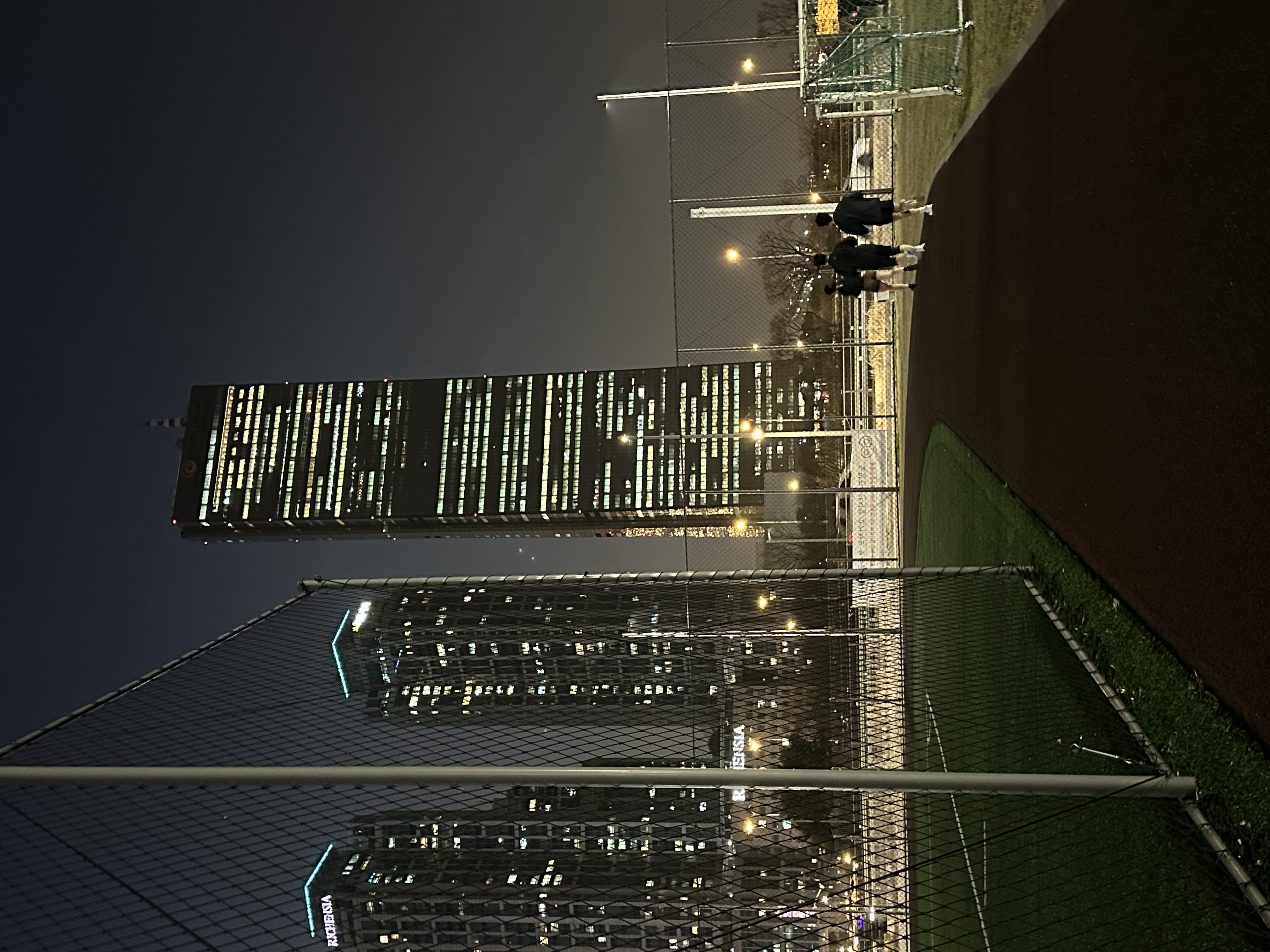
Running creates a completely different environment.
- Outdoor setting
- Open space
- Moving side by side
These factors change how people talk.
There’s no need for constant eye contact.
Conversations flow naturally with the rhythm of running.
It often starts with
“That WOD was tough, right?”
And somehow turns into conversations about life, work, and more.
This wasn’t just exercise.
It was a space for connection.
3. Connection Happens in “Extra Time”
Interestingly, people didn’t come back just for the workout.
Yes, the run helped improve aerobic capacity.
Many participants felt the physical benefits.
But the real reason was simple:
They now had people to run with.
Once you’ve talked to someone,
once you’ve shared even a short run,
coming back becomes natural.
This isn’t about features.
It’s about relationships.
4. Events Are a Mechanism for Community
This leads to a simple hypothesis:
Communities are not built through routine alone.
They require “non-routine touchpoints” — events.
WODs are repetitive.
Events are not.
- Time and space expand
- Roles shift
- Social distance shrinks
These small changes create connections.
And once connections are formed,
they persist even when people return to routine.
5. Events Are Not Optional — They’re Core
Many gyms and communities treat events as “nice to have.”
But in reality, they might be the opposite.
Events are not just tools to increase participation.
They create the reason people keep coming back.
- From working out alone
- To working out with others
- To belonging somewhere
When events live in the app—visible, repeatable, and easy to tie to logging or sharing—these touchpoints become part of how you run the gym, not just one-off gatherings.
Closing
This was just a small experiment —
a simple 20-minute run.
But within it, I saw how communities are actually formed.
Workouts are recorded as data.
Communities are remembered as experiences.
And most of those experiences
start with an event.
Related Reading
- Using In-Gym Events to Drive Renewals — The 2-person buddy challenge and how event design and timing can support renewals.
- What Actually Keeps Members Around — And It’s Not the Programming — Connection and events over programming alone.